Shot Composition
This page has been rebuilt with real photographic references instead of abstract diagrams.
Where shot-size comparison matters most, the examples are cropped from the same original source so the framing differences stay easy to compare. Angle and viewpoint examples use separate CC0 / public domain photos.
wide shot
A wide shot gives more weight to the environment than to facial detail. Use it when location, scale, and geography matter first.
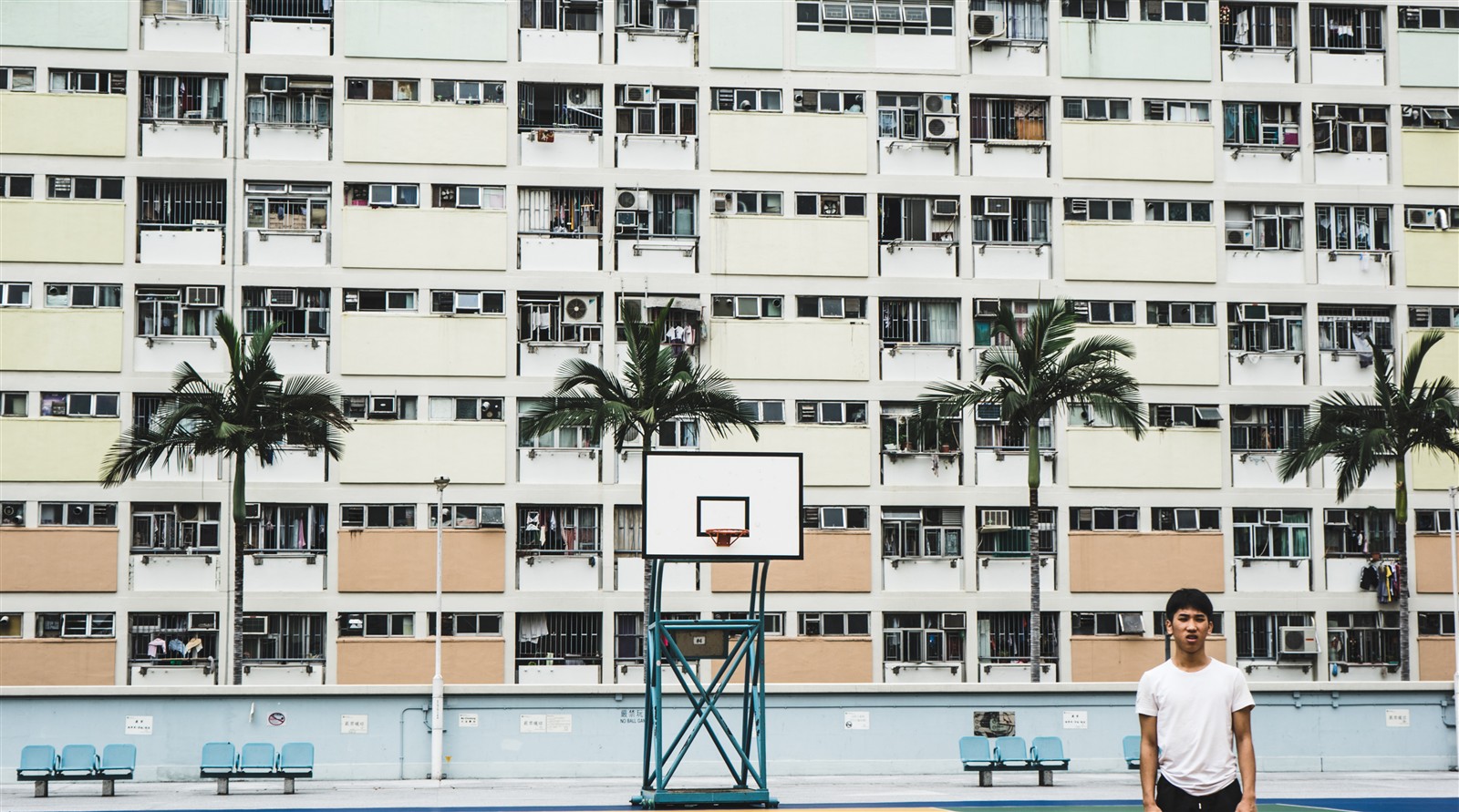
- Prompt fragment:
a lone subject in a basketball court, wide shot, urban backdrop - Real reference: Man standing in court (Unsplash),
CC0, cropped

full shot
A full shot keeps the entire body visible in frame. It is useful when posture, costume, and body direction matter.
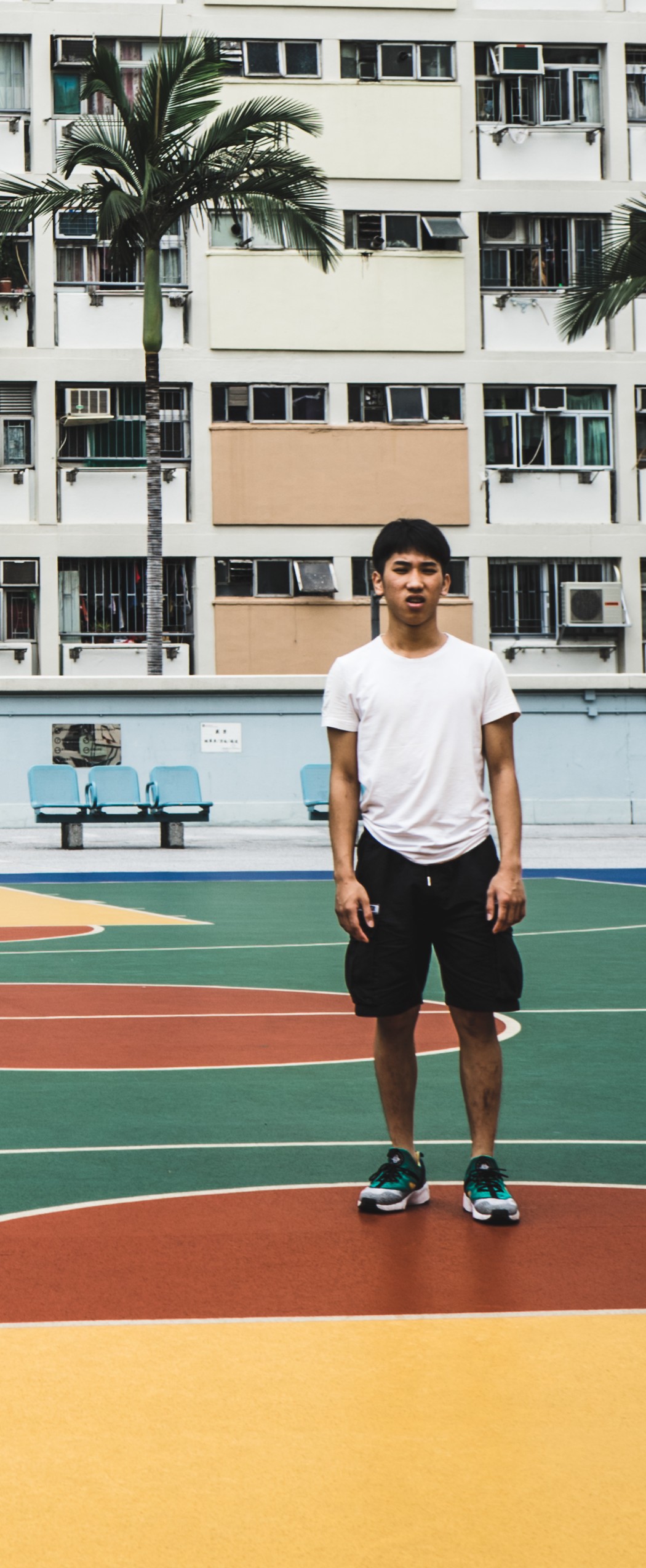
- Prompt fragment:
full shot of a standing subject, neutral posture - Real reference: Man standing in court (Unsplash),
CC0, cropped
medium shot
A medium shot usually frames the subject around the waist or torso area. It is useful for explanation, performance, and interview-like delivery.
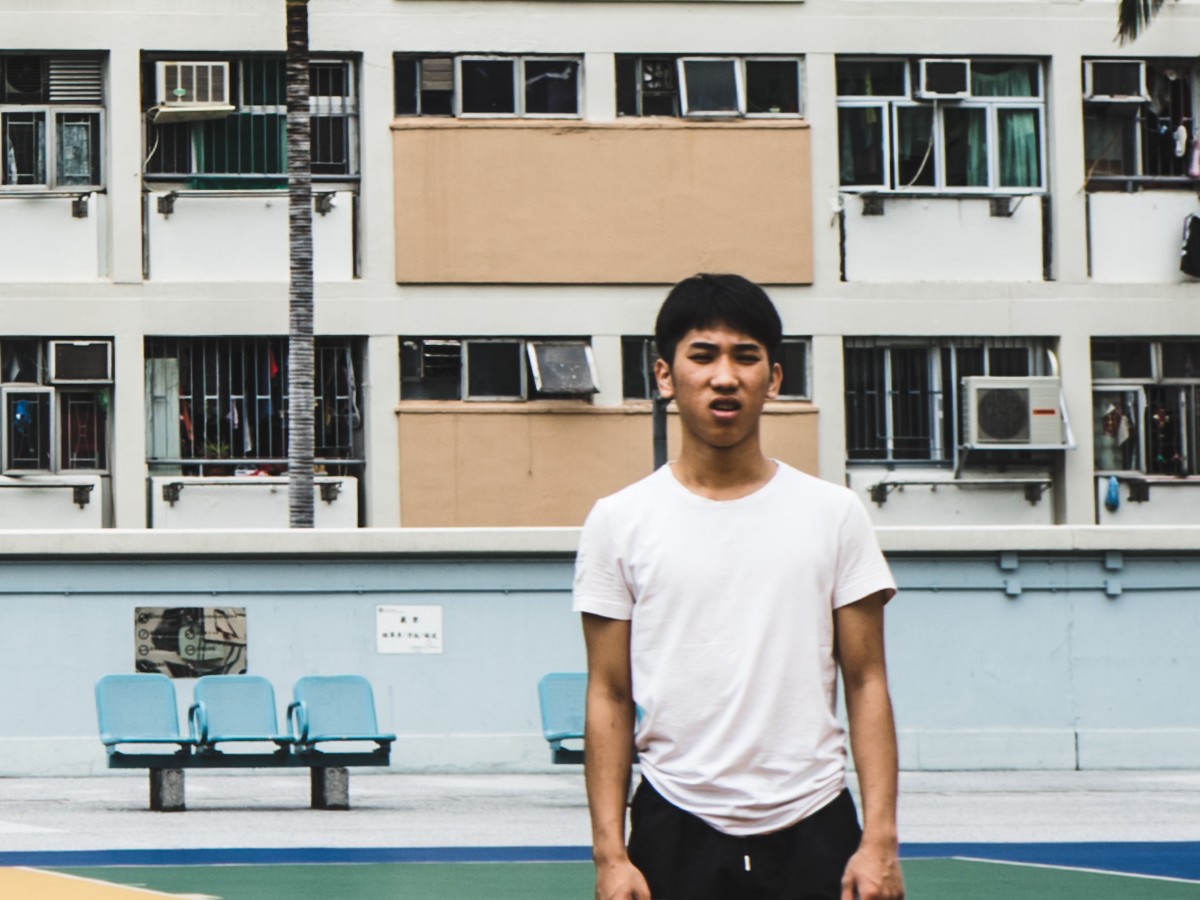
- Prompt fragment:
medium shot of a speaker, eye-level framing - Real reference: Man standing in court (Unsplash),
CC0, cropped
close-up
A close-up pushes attention toward the face or an important detail. It is one of the fastest ways to increase emotional focus.
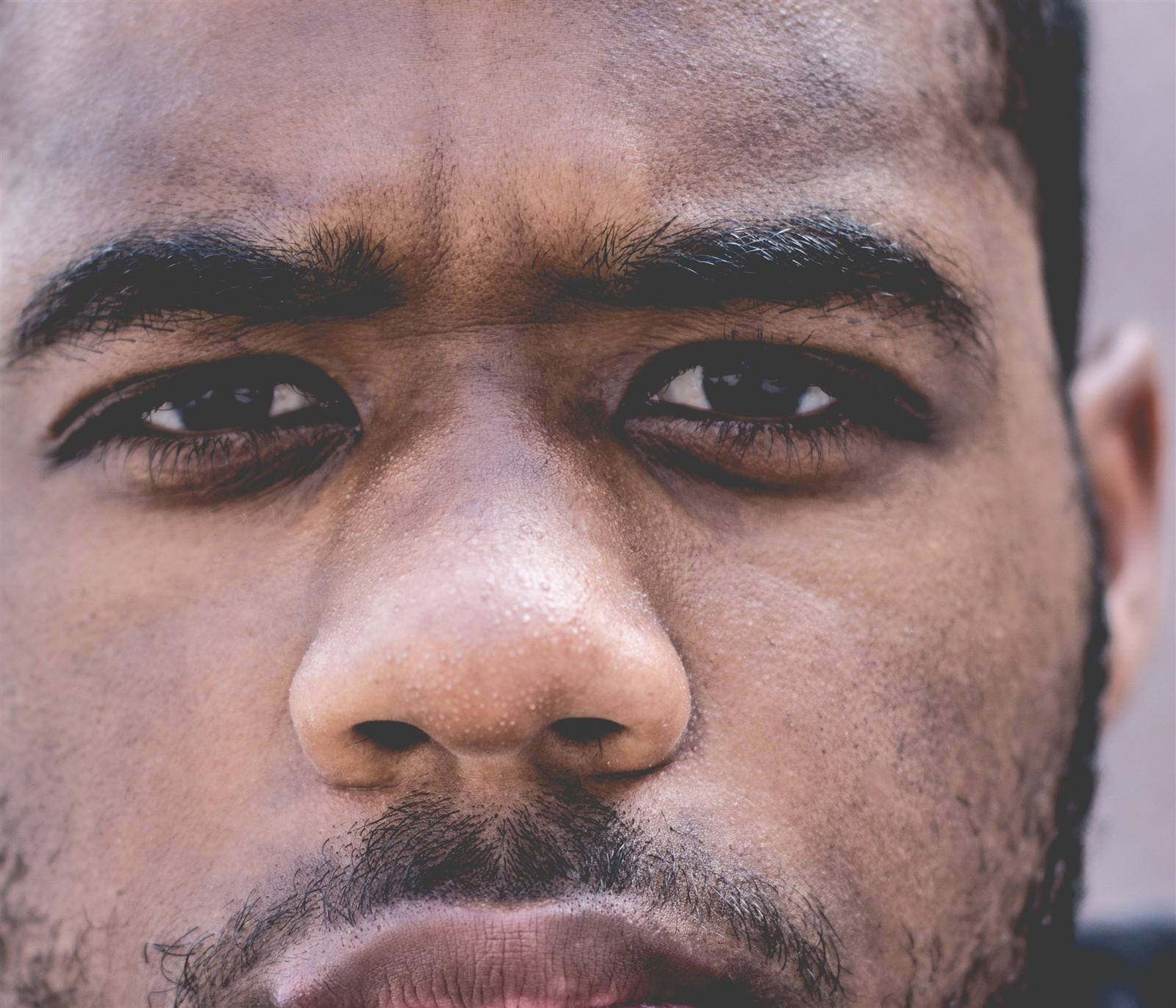
- Prompt fragment:
close-up portrait, direct gaze, shallow depth of field - Real reference: Face portrait (Unsplash),
CC0, cropped

extreme close-up
An extreme close-up isolates a very small detail such as the eyes, fingertips, or surface texture. It feels more compressed and intense than a normal close-up.
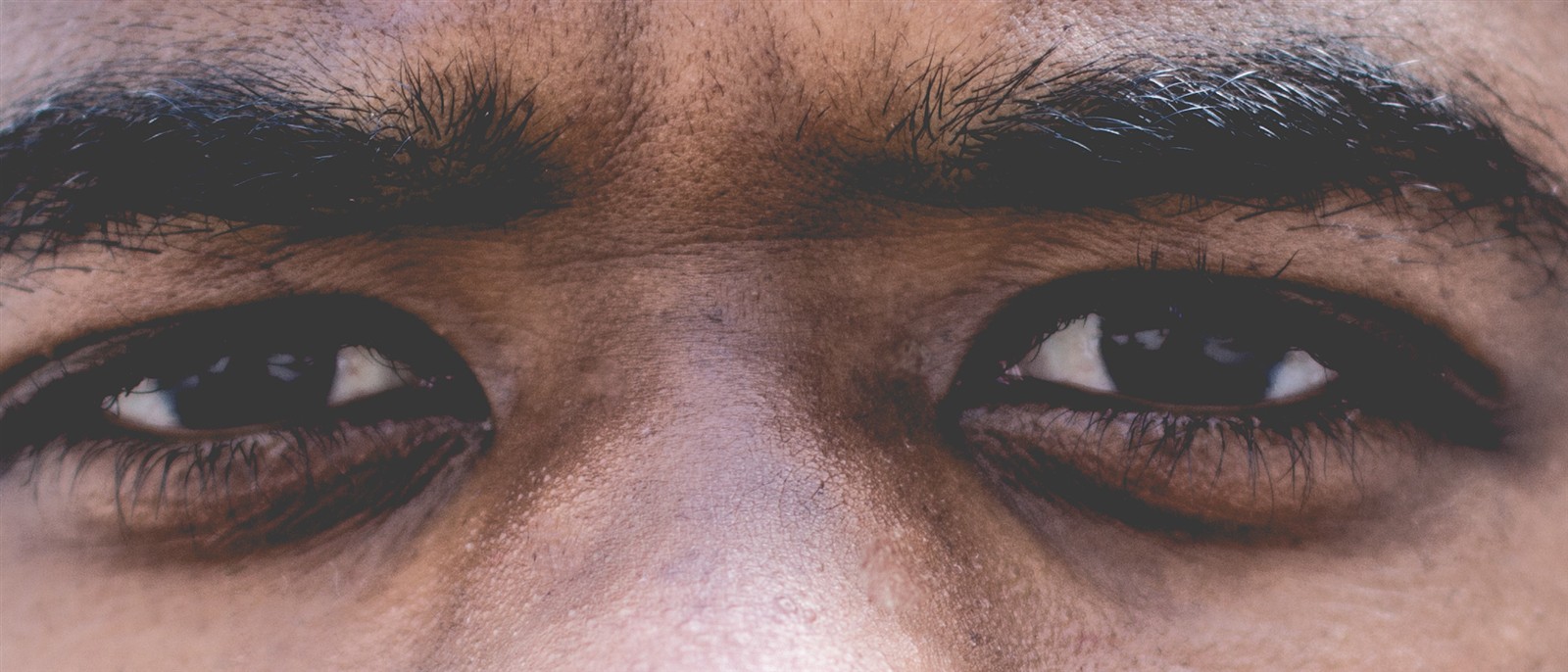
- Prompt fragment:
extreme close-up of the eyes, hyper-detailed skin texture - Real reference: Face portrait (Unsplash),
CC0, cropped
over-the-shoulder
An over-the-shoulder shot looks past one subject toward another person, screen, or focal point. It is useful for dialogue, observation, and guided attention.
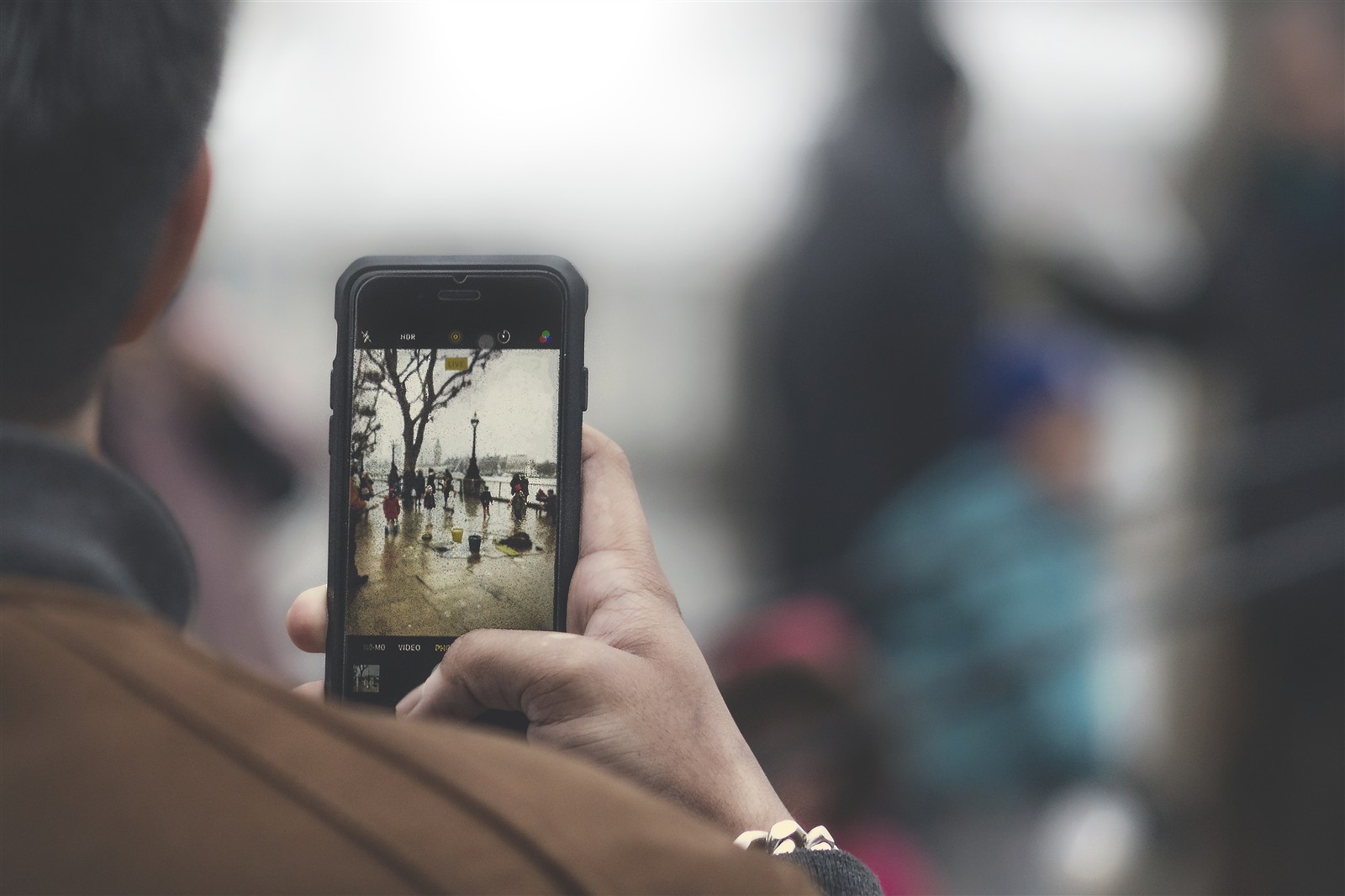
- Prompt fragment:
over-the-shoulder shot of a person framing a scene with a phone - Real reference: Smartphone photographer (Unsplash),
CC0

POV shot
A POV shot makes the viewer feel as if they are seeing through the subject’s perspective. In still photography, reference examples are often first-person context images rather than a perfect literal eye-view.
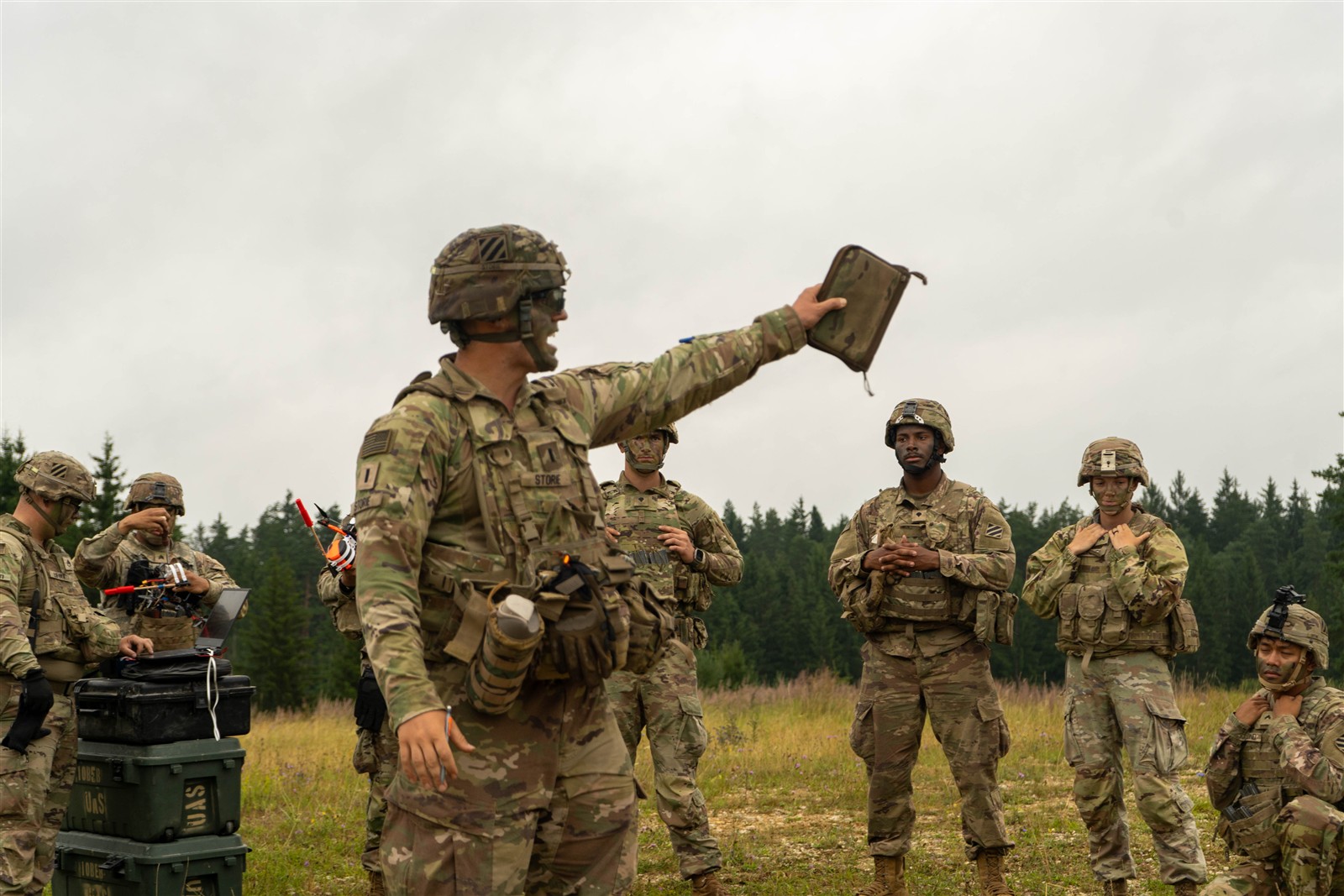
- Prompt fragment:
POV-style operational framing, first-person context - Real reference: First Person View Drone (9192507),
Public domain

low angle
A low-angle shot looks upward from below the subject. It often makes the subject feel larger, more dominant, or more dramatic.
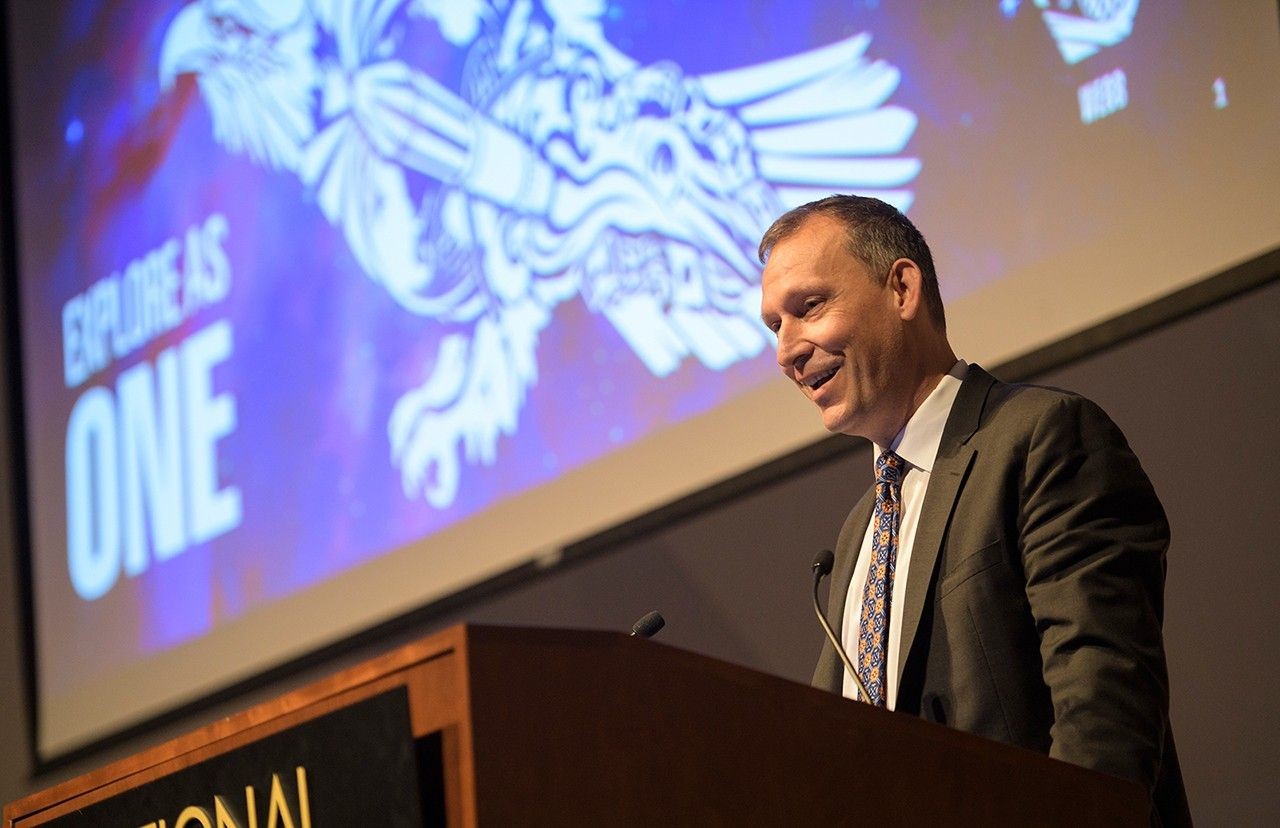
- Prompt fragment:
low angle shot of a speaker at a podium - Real reference: A low-angle, medium shot features Thomas Zurbuchen…,
Public domain

high angle
A high-angle shot looks down at the subject from above. It can make the subject feel smaller, less stable, or more exposed.
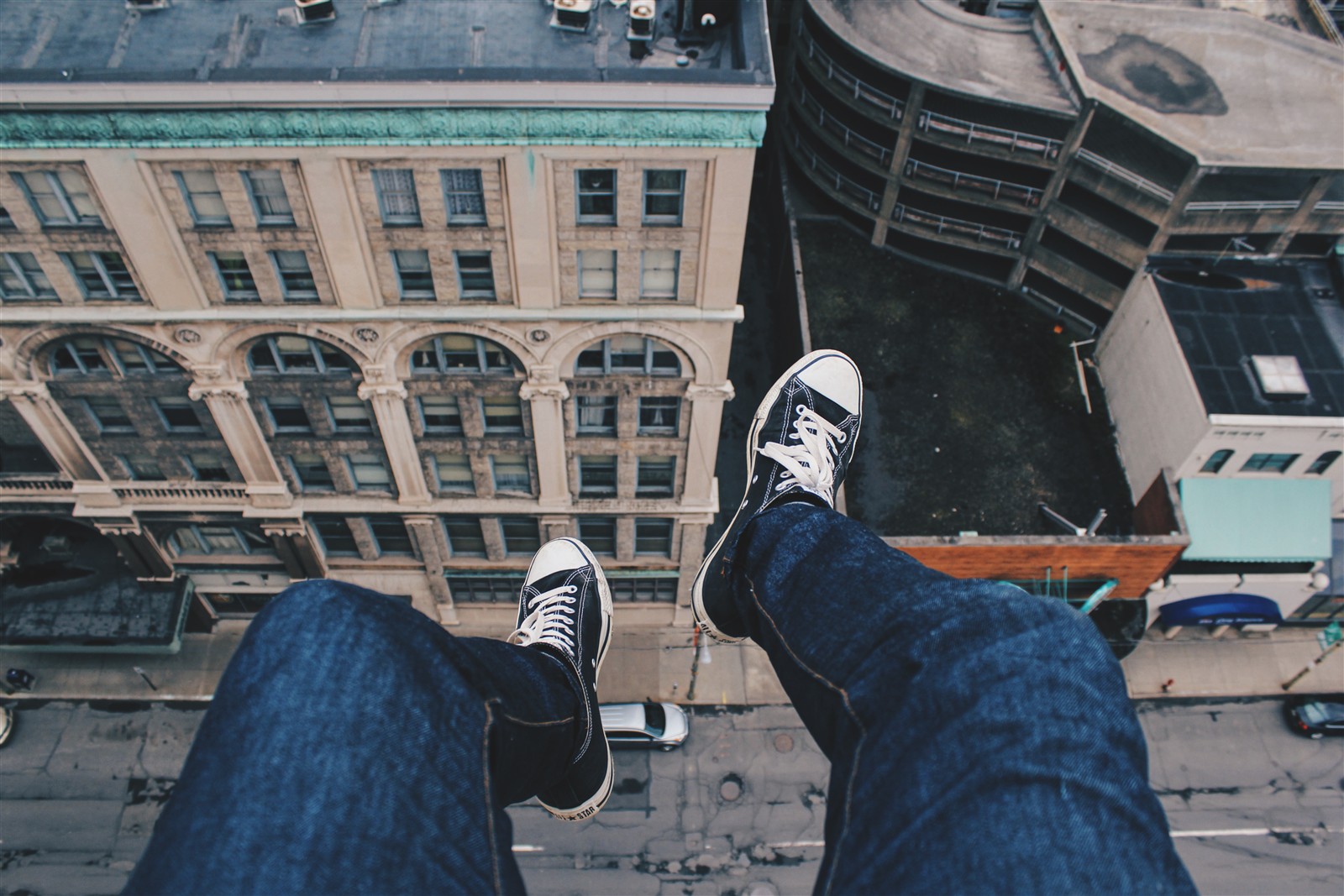
- Prompt fragment:
high angle shot looking down from a rooftop - Real reference: Feet dangling from a building (Unsplash),
CC0

top-down shot
A top-down shot looks downward from a near-vertical position. It is useful for patterns, geometry, layout, and spatial organization.
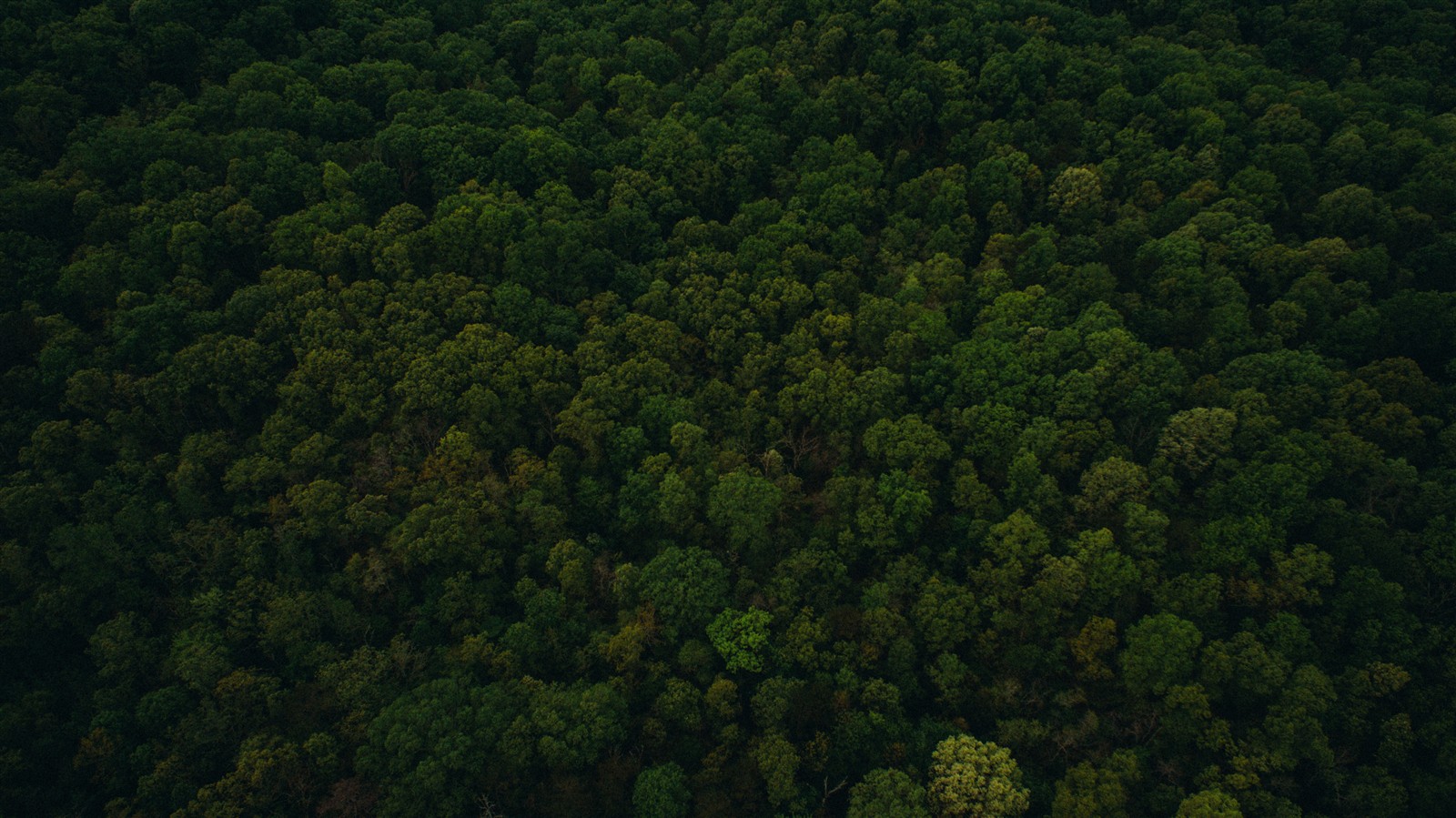
- Prompt fragment:
top-down shot of a dense forest canopy - Real reference: Bird’s-eye view of a forest (Unsplash),
CC0

centered framing
Centered framing places the subject in the middle of the frame. It creates immediate focus and often feels symmetrical or deliberate.
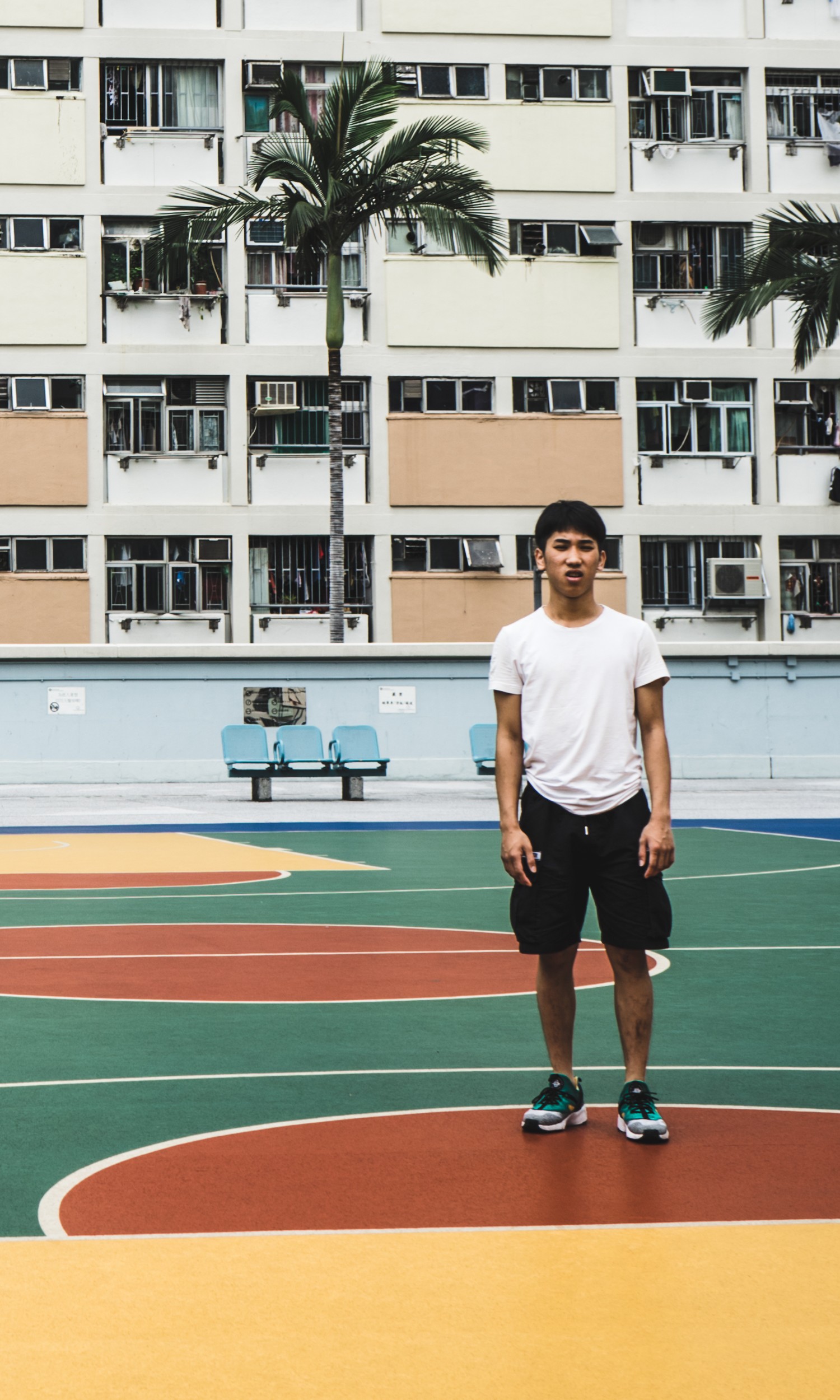
- Prompt fragment:
centered framing, subject locked in the middle of frame - Real reference: Man standing in court (Unsplash),
CC0, cropped
rule of thirds
Rule-of-thirds framing places the subject off-center, usually around one of the thirds intersections. It often feels less rigid than dead-center framing.
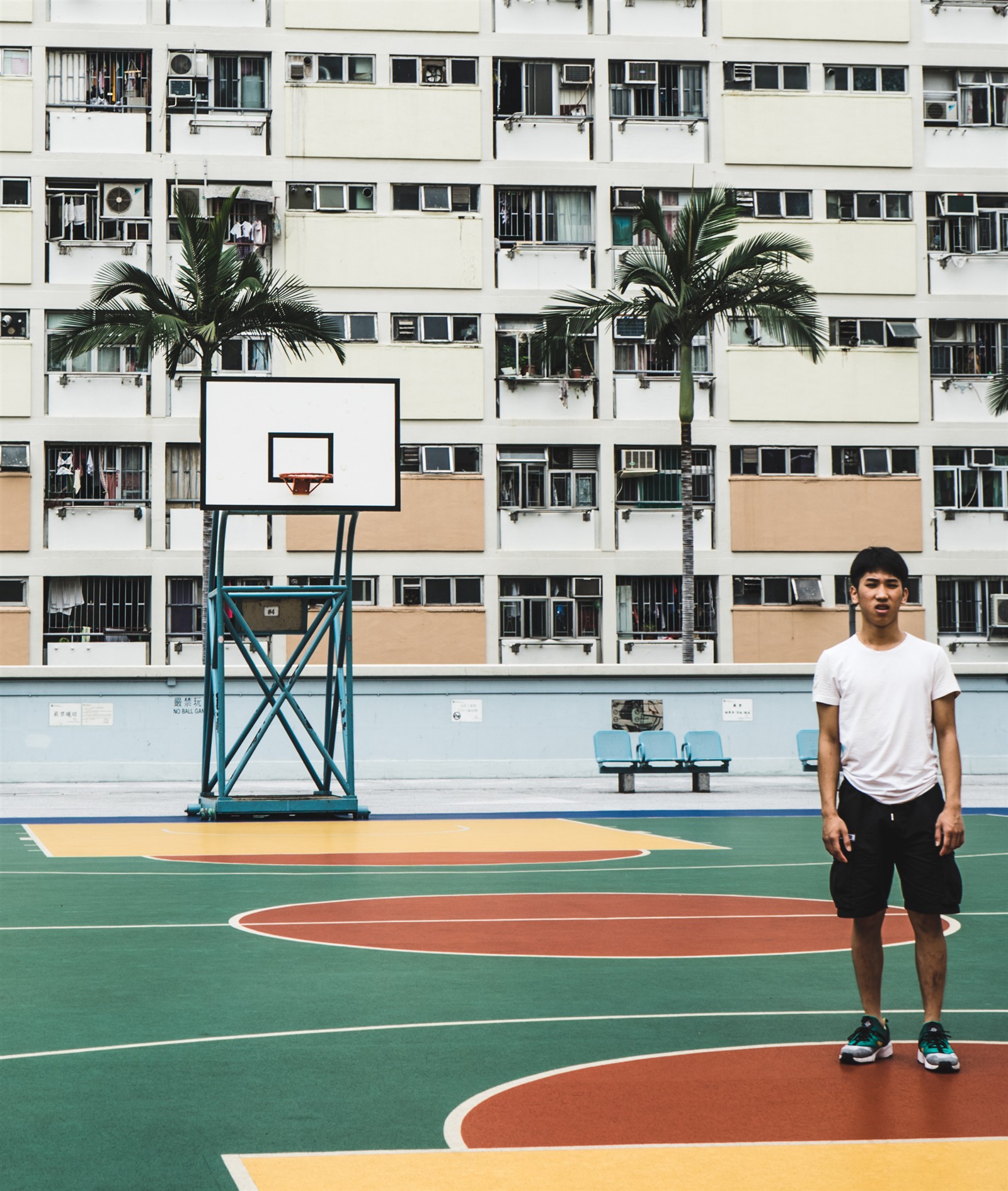
- Prompt fragment:
subject placed on the right third, balanced environmental space - Real reference: Man standing in court (Unsplash),
CC0, cropped
negative space
Negative space uses emptiness around the subject on purpose. It is effective for isolation, tension, minimalism, or visual breathing room.
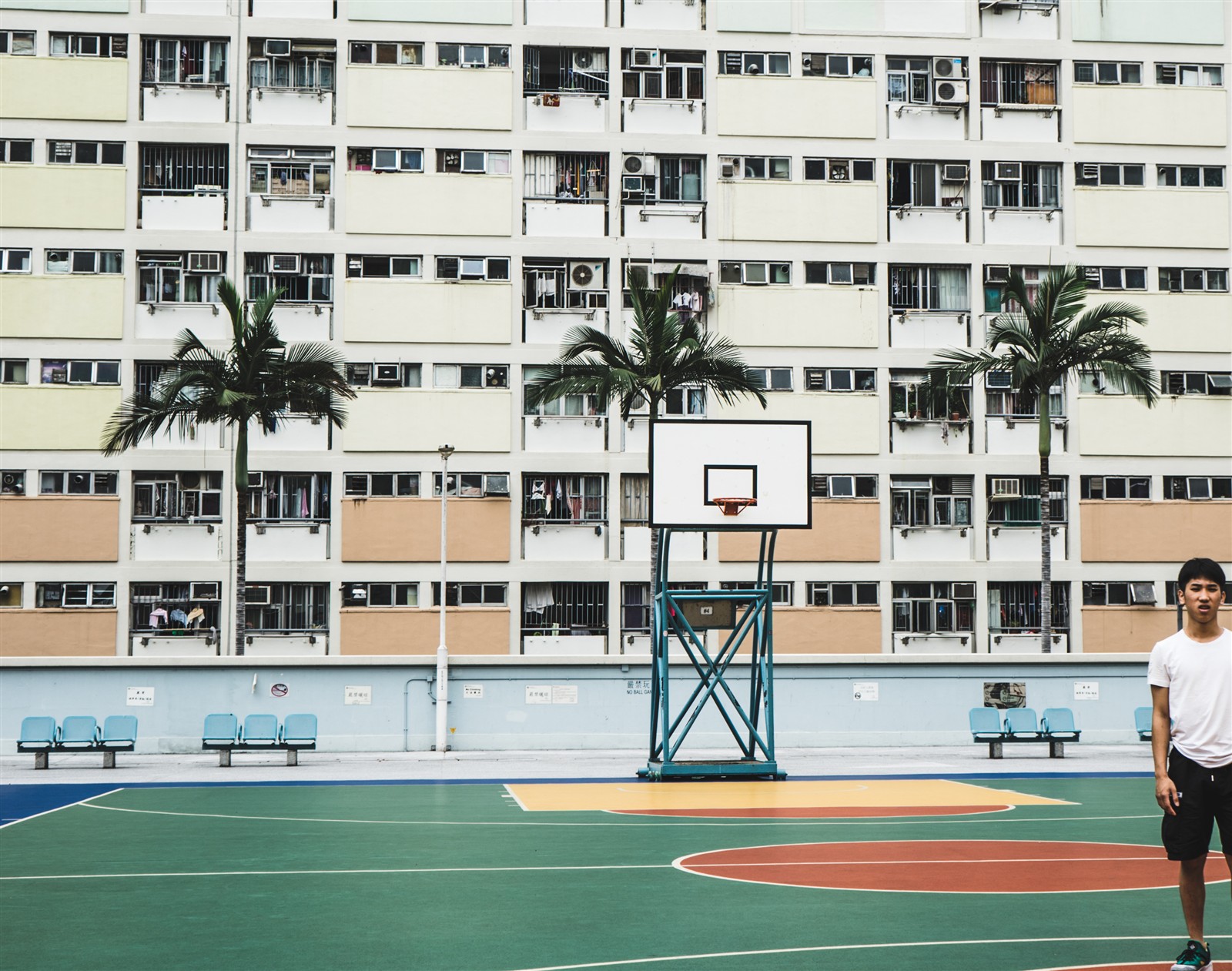
- Prompt fragment:
subject isolated with strong negative space on the left - Real reference: Man standing in court (Unsplash),
CC0, cropped
Summary
The main thing to train here is not just the vocabulary. It is your eye for how much of the frame the subject occupies and where the viewer is positioned.
- shot size:
wide -> full -> medium -> close-up -> extreme close-up - angle:
low angle -> high angle -> top-down - viewpoint and placement:
over-the-shoulder -> POV -> centered framing -> rule of thirds -> negative space
In practical prompting, do not stack too many of these at once. A stable baseline is usually one shot size + one angle + one placement choice.