Lighting
This page has been rebuilt with unique real photographic references.
With lighting terms, the main question is not only what the light is called. It is where the light comes from, how soft or hard it feels, and how it separates the subject from the background.
soft light
Soft light creates gentle transitions between highlight and shadow. It usually feels smoother, kinder, and more flattering on skin and textured surfaces.
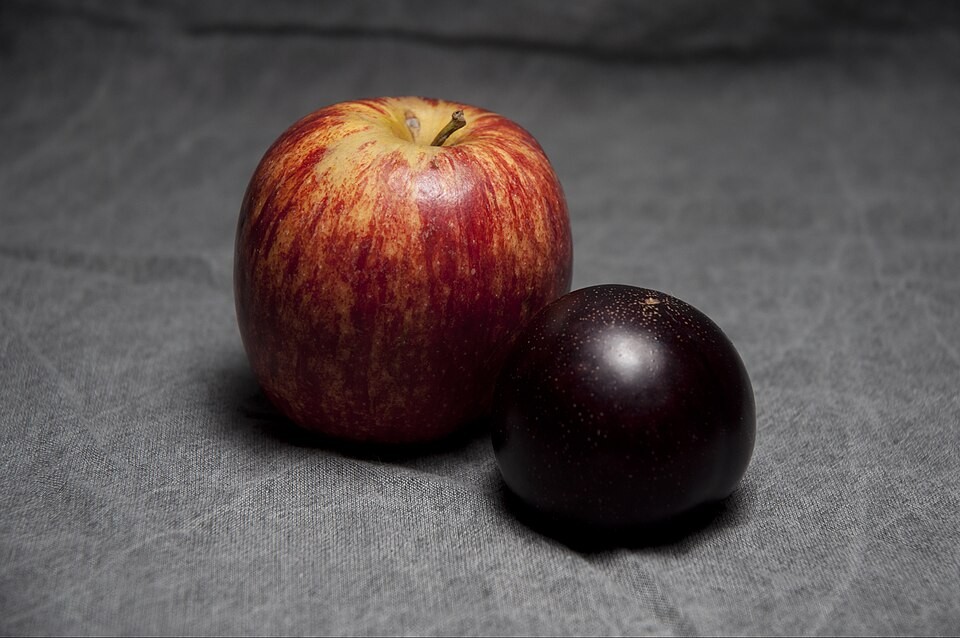
- Prompt fragment:
soft light, gentle shadow falloff, flattering skin texture - Real reference: Comparison of softbox to direct flash.jpg, cropped from the soft-light half

hard light
Hard light produces sharper shadow edges and stronger contrast. It is useful when you want drama, texture, or a more severe lighting shape.
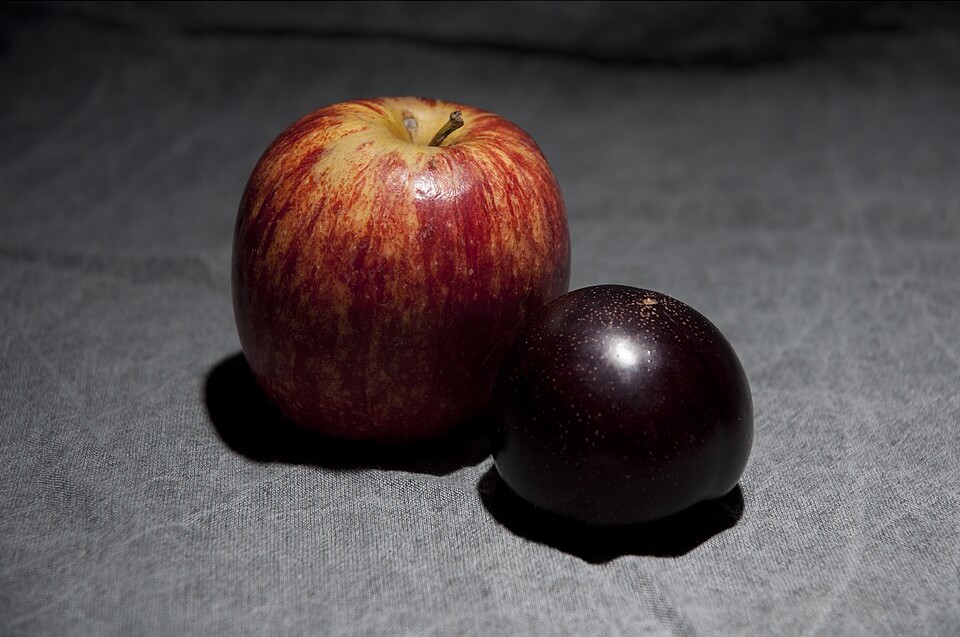
- Prompt fragment:
hard light, crisp shadow edge, high-contrast texture - Real reference: Comparison of softbox to direct flash.jpg, cropped from the direct-flash half
rim light
Rim light catches the edge of the subject and adds a line of glow around the silhouette. It is especially useful for separating hair and shoulders from the background.
.jpg?width=1100)
- Prompt fragment:
rim light catching the hairline, subject edge glow - Real reference: Backlight (50709183452).jpg

backlight
Backlight comes from behind the subject. It can create silhouette, glow, separation, and a strong sense of atmosphere.

- Prompt fragment:
strong backlight, semi-silhouette portrait, luminous edge separation - Real reference: Backlight-wedding.jpg

key light
The key light is the main source shaping the face or subject. It defines the dominant side of the lighting pattern.

- Prompt fragment:
key light from camera right, portrait light defining the face - Real reference: Emma (8640086553).jpg

fill light
Fill light does not replace the key. It reduces shadow density so important information is not lost in darkness.

- Prompt fragment:
subtle fill light, controlled shadow recovery, balanced contrast - Real reference: Juliet in the studio - Flickr - Jay DeFehr.jpg

practical lighting
Practical lighting uses visible light sources that exist inside the shot, such as lamps, bulbs, screens, or candles.
.jpg?width=1000)
- Prompt fragment:
practical lighting from a floor lamp, cozy interior glow - Real reference: Floor lamp near a wall (Unsplash)

neon glow
Neon glow adds colored light spill and reflected artificial atmosphere. It is one of the fastest ways to build an urban night look.
.jpg?width=1200)
- Prompt fragment:
red and blue neon glow, reflective surfaces, cyberpunk night mood - Real reference: Red and blue open neon (Unsplash)

golden hour
Golden hour is the warm low-angle sunlight near sunset. It tends to flatter skin and gives scenes a more romantic or cinematic softness.
.jpg?width=1200)
- Prompt fragment:
golden hour sunlight, warm rim highlights, soft sunset atmosphere - Real reference: Golden Hour (Unsplash)

blue hour
Blue hour is the cool ambient light just after sunset. It works especially well for city skylines, waterfronts, and reflective night scenes.
.jpeg?width=1200)
- Prompt fragment:
blue hour skyline, cool ambient light, calm evening tone - Real reference: Blue Hour (196206709).jpeg

volumetric light
Volumetric light makes beams visible in the air. It becomes stronger when haze, dust, or moisture gives the light something to travel through.
.jpg?width=1200)
- Prompt fragment:
volumetric light beams, visible sun rays through haze - Real reference: Sunrays through the trees (Unsplash)

Summary
Lighting terms become much stronger when combined instead of used one by one.
- flattering commercial portrait:
soft light + key light + subtle fill - silhouette or separation:
backlight + rim light - urban synthetic night mood:
neon glow + hard light - natural time-of-day mood:
golden hourorblue hour
In AI video prompting, lighting is often the fastest lever for shifting mood and color at the same time.