Environment and Space
This page has been rebuilt with real photographic references.
Environment terms do more than name a place. They imply depth, height, density, reflection, and the kind of light the scene will naturally inherit.
urban street
An urban street gives you storefronts, traffic rhythm, signage, and pedestrian flow in one readable space.

- Prompt fragment:
urban street, dense storefronts, city night reflections - Real reference: Glowing Bar City Street Night Lights.jpg

alley
An alley compresses depth and narrows the usable path through the frame. It often feels tighter and more enclosed than a regular street.

- Prompt fragment:
narrow alley, receding depth, enclosed walls - Real reference: Alley in Gamla Stan, Stockholm.jpg

rooftop
A rooftop setting gives height, skyline context, and a strong sense of exposure above the city.

- Prompt fragment:
city rooftop, elevated point of view, skyline beyond - Real reference: Snow Photos from a New York City Rooftop (4200298966).jpg

studio interior
A studio interior is a controlled environment where light, backdrop, and subject placement can all be directed precisely.

- Prompt fragment:
studio interior, controlled lighting environment, neutral backdrop - Real reference: Photographic studio setup.jpg

industrial warehouse
An industrial warehouse usually brings exposed structure, rough surfaces, tall ceilings, and open floor depth.

- Prompt fragment:
industrial warehouse interior, exposed structure, deep open floor - Real reference: FIRST FLOOR WAREHOUSE SPACE. VIEW TO SOUTHWEST…
futuristic cityscape
A futuristic cityscape usually leans on modern towers, glass surfaces, and luminous night architecture.

- Prompt fragment:
futuristic cityscape, glass towers, luminous skyline - Real reference: Toronto Skyline at night 2024-08-23.jpg

rain-soaked street
A rain-soaked street gives you wet asphalt, reflected lights, and a more tactile night atmosphere.
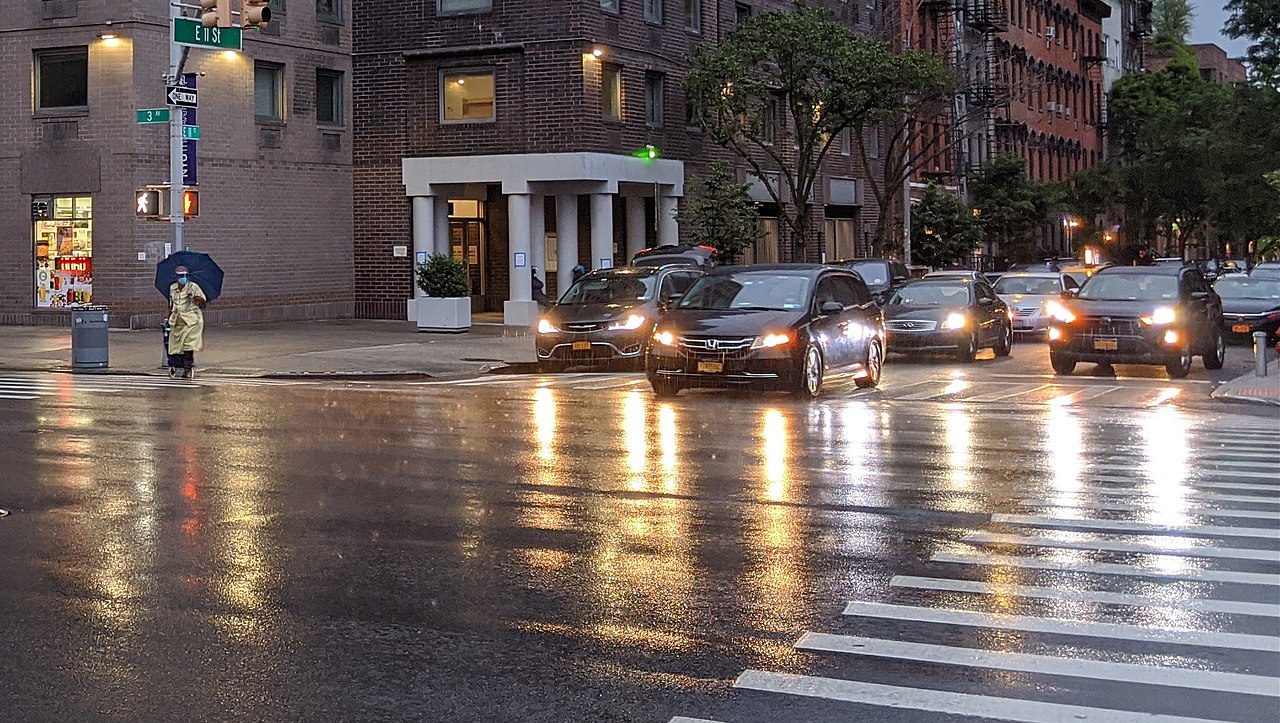
- Prompt fragment:
rain-soaked street, wet asphalt reflections, night traffic glow - Real reference: Headlight Reflections (49950262956).jpg

neon-lit environment
A neon-lit environment is driven by colored signage, artificial spill, and high-contrast night illumination.

- Prompt fragment:
neon-lit environment, saturated signage, urban color spill - Real reference: Buildings with colorful neon street signs at blue hour, Shinjuku, Tokyo.jpg

Summary
Environment language is not just background filler. It fixes the physical world your prompt is operating inside.
- open city context:
urban street - compressed tension:
alley - height and exposure:
rooftop - controlled set:
studio interior - rough industrial tone:
industrial warehouse - sci-fi impression:
futuristic cityscape - reflection and moisture:
rain-soaked street - synthetic color spill:
neon-lit environment